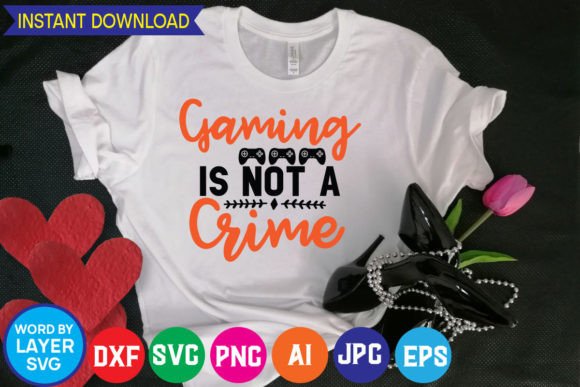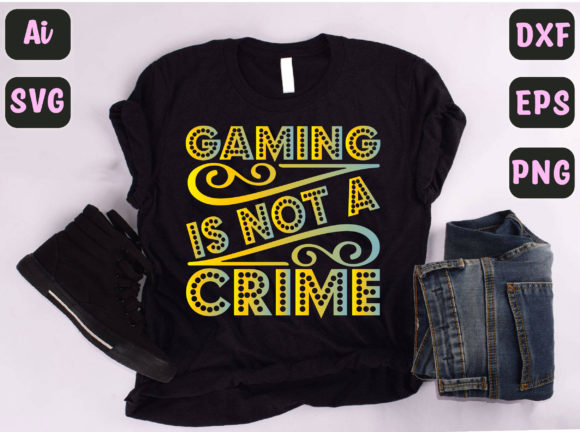
Gaming is Not a Crime 3: Graphics for T-Shirt Designs
As a brand designer and content marketer, I am constantly vetting new graphic design assets to determine if they can hold up under the scrutiny of a real-world campaign. Recently, I integrated Gaming is Not a Crime 3 into a project for a client launching a lifestyle apparel line targeting the esports and casual gaming community. The goal was to create a cohesive visual identity that felt authentic rather than corporate. This review breaks down how this specific asset performs in professional branding scenarios, from T-Shirt Designs to digital ad creatives.
First Impressions: Mood and Audience Perception
The first thing you notice about Gaming is Not a Crime 3 is its bold, unapologetic tone. It does not try to be subtle. For brand owners and marketers, this is crucial because it instantly filters your audience. It creates a mood of camaraderie and defiant fun, which is perfect for casual branding and lifestyle content. When I placed it on a mockup for a hoodie, the emotional connection was immediate. It speaks directly to a demographic that values passion over polish.
However, this intensity means it is not suitable for every context. It feels out of place in premium, minimalist visuals or formal corporate branding. But for handmade products, event promotions, and social media graphics aimed at younger demographics, it strikes the right chord. It signals that the brand understands the culture, which builds audience trust faster than generic stock imagery ever could.
Versatility Across Marketing Channels
A strong digital product must work across multiple touchpoints. I tested Gaming is Not a Crime 3 in various formats to see if it maintained its integrity. Here is how it performed in different marketing situations:
- Social Media Graphics: On Instagram and Pinterest, the design stands out against busy feeds. It works exceptionally well as a hero graphic for carousel posts explaining gaming myths or promoting tournament events.
- Packaging Design: We used the vector file to create custom stickers for product packaging. The clean lines ensured it looked professional even when printed small, adding a nice touch to the unboxing experience.
- Digital Ads: In Facebook and Instagram ads, the design served as a strong focal point. It helped improve click-through rates by creating a clear visual hierarchy that drew the eye before the user read the copy.
- Editorial Design: For blog headers and email banners, the asset provided a modern edge. It broke up text-heavy layouts and kept the reader engaged with a visually stimulating element.
The inclusion of an SVG file is a significant advantage for designers using Adobe Suite, Inkscape, or Corel Draw. It allows for infinite scalability without losing quality, which is essential for both large format posters and small product labels. The DXF file option also makes it accessible for Silhouette users, expanding its utility for those creating physical merchandise like vinyl decals or custom cut-outs.
Strategic Branding and Visual Consistency
Using Gaming is Not a Crime 3 is not just about slapping a graphic on a shirt; it is about reinforcing brand identity. In our campaign, we paired this asset with a consistent color palette of neon greens and deep blacks. This consistency helped create a recognizable look across all marketing visuals. When customers saw the design on a website header, then again on a Pinterest pin, and finally on a physical t-shirt, it reinforced brand recognition.
This asset supports key marketing goals by providing a memorable anchor for your content. It helps in creating stronger first impressions and ensures that your content marketing efforts feel cohesive. For small business owners and online coaches in the gaming niche, this kind of professional branding can differentiate you from competitors who rely on cluttered or low-quality clipart.
Where to Use It and Where to Exercise Caution
While versatile, Gaming is Not a Crime 3 has limitations. It works best in:
- Hero graphics for landing pages.
- Campaign headers for seasonal offers.
- Branded templates for Canva users.
- Promotional banners for esports events.
- Decorative brand elements in media kits.
However, you should use it carefully in dense information layouts or text-heavy ads. Because the design itself carries a strong message, it can compete with your primary call-to-action if not balanced correctly. Avoid using it on low-contrast backgrounds where the details might get lost. Also, it is not ideal for overly minimal brands that rely on whitespace and subtlety. Always test readability in small sizes, especially for mobile screens, to ensure the message remains clear.
Practical Designer Notes for Implementation
Before integrating this design bundle into your client work or business branding, consider these practical steps:
- Test Color Pairings: Preview the asset with your brand’s existing color palette. It pairs well with bold sans serif fonts but may clash with delicate script fonts unless spaced appropriately.
- Check Black and White Usage: Ensure the design holds up in monochrome for cost-effective printing options like receipts or simple flyers.
- Review Licensing: Always confirm the commercial license terms before using it in paid campaigns or for client projects. Understanding the rights associated with your design assets is critical for legal safety.
- Mockup Testing: Place the SVG design inside real campaign mockups. See how it looks on a dark t-shirt versus a light one. Check how it interacts with other elements in your Canva template or Adobe Illustrator file.
- Competitor Analysis: Compare it against competitor visuals. Does it offer a fresh perspective? In the crowded creative marketplace, uniqueness is key to standing out.
In conclusion, Gaming is Not a Crime 3 is a robust graphic design asset for creators targeting the gaming and lifestyle sectors. It offers the flexibility needed for both T-Shirt Designs and digital Graphics, making it a valuable addition to any content creator’s toolkit. By understanding its mood, leveraging its scalability, and respecting its limitations, you can use it to create compelling, professional, and engaging marketing materials that resonate with your audience.