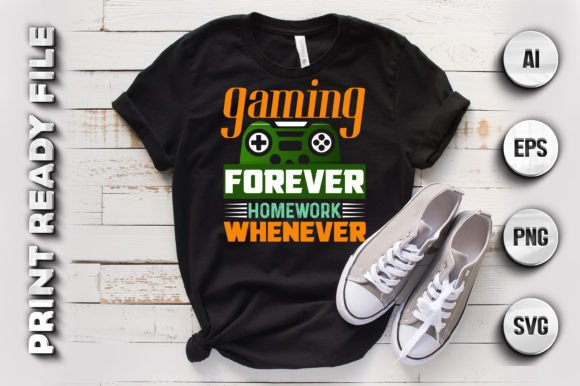
Gaming Mode Is On: An Embroidery Designer’s Review
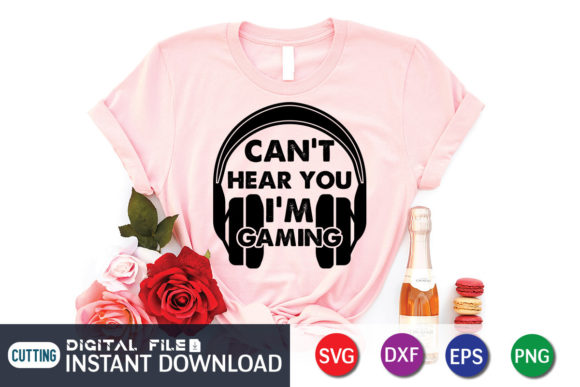
When I first pulled up the Gaming Mode is on T Shirt design file, my immediate reaction was one of cautious optimism. As an experienced embroidery product reviewer and designer, I have seen countless typography-based graphics that look stunning on a screen but fail miserably under the needle. The promise of high-quality print-ready designs is common, but translating that quality into thread requires a different set of eyes. This review breaks down how this specific graphic performs when moved from a digital asset to a tangible, stitched reality.
First Impressions and Visual Personality
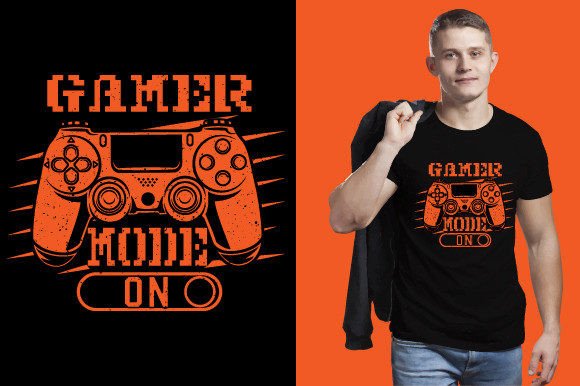
The mood of this design is energetic and modern, tapping directly into the vibrant culture of gaming enthusiasts. The typography appears bold and assertive, which is essential for readability in embroidery. However, visual personality in embroidery is not just about the shape of the letters; it is about how those shapes interact with fabric texture. The layout suggests a horizontal orientation, which is ideal for chest placements on t-shirts or centered positioning on tote bags. The detail level seems moderate, avoiding the microscopic intricacies that often cause thread breaks or bird nests in machine embroidery.
For small business owners and Etsy sellers, the appeal lies in its versatility. It does not scream "childish," nor does it feel overly corporate. It sits comfortably in the casual, lifestyle category, making it a strong candidate for custom apparel lines targeting teens and young adults. The graphic nature of the design means it relies heavily on clean lines and consistent spacing, two factors that determine whether a finished product looks professional or amateurish.
Real-World Application and Stitching Performance
To truly evaluate this design, I imagined applying it to a few standard projects. Let us consider a custom embroidered sweatshirt. Sweatshirts provide a stable, thick canvas that handles fill stitches well. If the Gaming Mode is on T Shirt design utilizes dense fill stitches for the lettering, the plush texture of a fleece sweatshirt will support the weight of the thread without puckering. The contrast between the smooth thread and the textured fabric creates a tactile experience that enhances the perceived value of the handmade product.
However, moving this design to a lighter medium, such as a cotton tote bag or a baby item, requires more scrutiny. For a tote bag design, the stability of the fabric is crucial. If the design includes large solid areas, a cut-away stabilizer is non-negotiable to prevent distortion during washing. For baby embroidery, safety and comfort are paramount. Thick, raised satin stitch borders might irritate sensitive skin, so I would recommend testing a version with lighter density or using a soft backing material.
In the context of commercial embroidery, consistency is key. Whether you are producing ten units or one hundred, the design must reproduce identically. Typography designs can be tricky because slight variations in thread tension can alter the width of letters. Before listing this as a small shop product, run a batch test on scrap fabric identical to your final stock. Check for uniformity in the stitch density and ensure that the start and end points of the running stitch elements are tidy and trimmed.
Navigating Technical Challenges
While the design is appealing, there are areas where caution is necessary. Small hoop sizes can constrain the layout, potentially forcing a reduction in size that compromises legibility. If you plan to use this on caps or hats, remember that curved surfaces distort flat designs. The text may need to be arched slightly in your digitizing software before stitching to maintain visual balance. Additionally, dark fabrics present a challenge for thread color contrast. If the original graphic assumes a light background, stitching white or light-colored thread on black fabric may require a higher stitch count to achieve full coverage, which increases production time and thread usage.
Detailed corners in typography are notorious for pulling and bunching. Inspect the design closely for sharp angles. In machine embroidery, sharp corners often need to be slightly rounded or reinforced with additional underlay stitches to maintain their shape. If the Gaming Mode is on T Shirt file does not specify these technical adjustments, you may need to edit the embroidery file yourself or request a modified version from the creator. Always check whether the design works for both personal and commercial projects, and confirm licensing before selling finished items or digital products.
Enhancing Brand Value and Customer Trust
A well-executed embroidery project speaks volumes about brand consistency. When a customer receives a personalized gift featuring crisp, clean stitching, their trust in your craft business deepens. This design, with its clear message and bold aesthetic, can serve as a signature element for boutique branding. It is not just a graphic; it is a statement piece that encourages buyer engagement. People wear what identifies them, and "Gaming Mode" is a strong identity marker for a specific community.
For digital product sellers, offering this as part of a bundle with complementary T-Shirt Designs and Graphics can increase average order value. Use printable mockups to show potential buyers how the design looks on various garments. Show it on a hoodie, a tee, and even an apron to demonstrate versatility. High-quality previews reduce hesitation and help customers visualize the finished product.
Practical Notes for the Embroiderer
- Test on Scrap Fabric: Never skip this step. Use the same fabric type and weight you intend to sell.
- Check Thread Color Contrast: Ensure the thread colors pop against the garment. Neon threads work well for gaming themes but may fade faster if not high quality.
- Review Stitch Density: High density can make garments stiff. Adjust if necessary for comfort, especially on wearable items.
- Confirm Hoop Size: Measure the design dimensions against your machine’s maximum hoop capacity.
- Inspect Small Details: Zoom in on the digital file to check for stray nodes or overlapping paths that could cause machine errors.
- Use Proper Stabilizer: Match the stabilizer to the fabric. Tear-away for stable wovens, cut-away for knits and stretchy fabrics.
- Verify Licensing: Since the source mentions high-quality designs for websites and Teespring stores, clarify if the license covers physical goods sold on platforms like Etsy.
In conclusion, the Gaming Mode is on T Shirt design holds significant potential for embroidery designers willing to pay attention to technical details. It is not a plug-and-play solution for every fabric or product, but with proper preparation and testing, it can become a standout item in your catalog. Focus on the quality of the stitch-out, respect the limitations of your materials, and let the design’s inherent energy shine through your craftsmanship. Whether for holiday embroidery gifts or everyday custom apparel, this graphic offers a solid foundation for creative entrepreneurship.