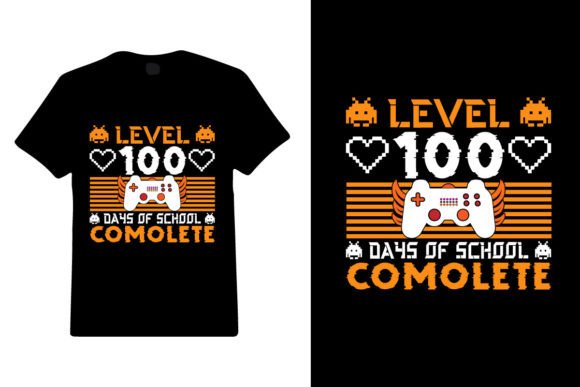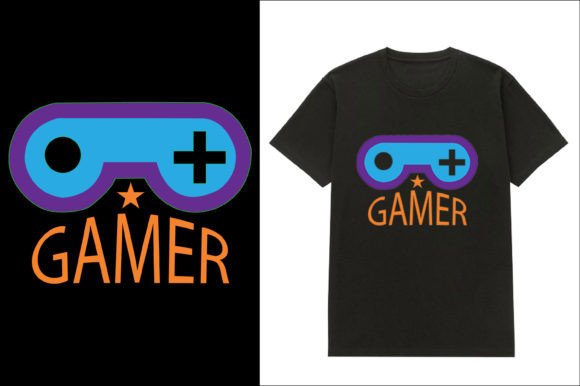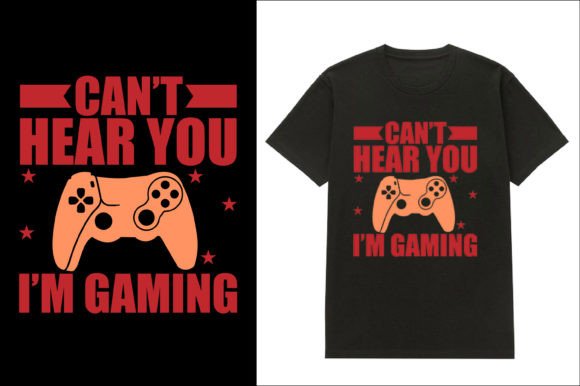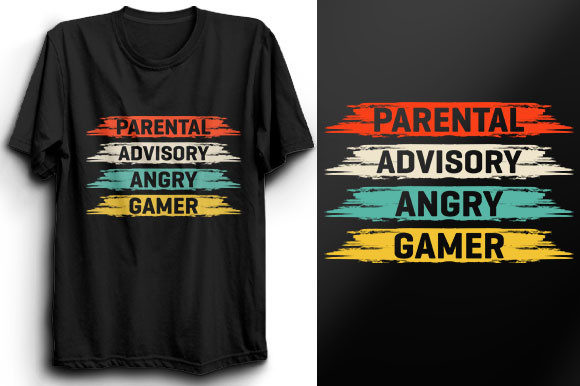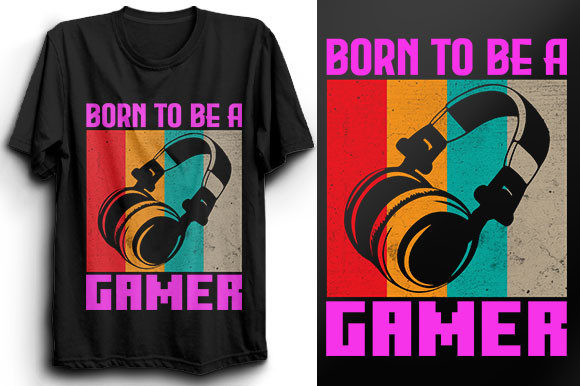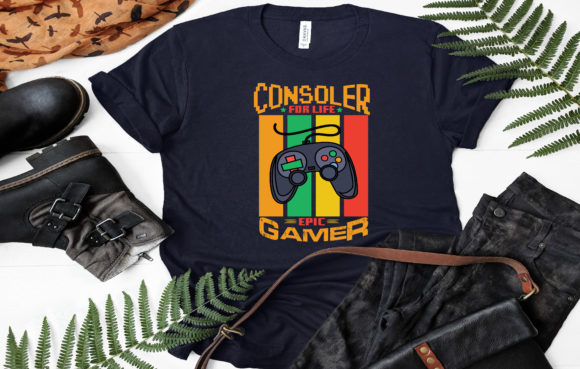
Gaming Vintage Design Svg: Graphics for T-Shirt Designs
As a graphic designer who has spent over a decade navigating the chaotic intersection of brand identity and commercial print, I approach every new graphic design asset with a healthy dose of skepticism. We have all been there: downloading a file that looks promising in the thumbnail but falls apart when you try to scale it or adjust the color profile for a specific client need. Recently, I needed a bold, nostalgic visual anchor for a client launching a retro-themed merchandise line. That is when I pulled up the Gaming Vintage Design Svg to see if it could hold its weight in a real-world production environment.
The first impression is striking. This is not just a generic clipart dump; it is a curated piece of creative design that taps directly into the "epic gamer" aesthetic without feeling cheap. The mood it creates is one of rugged nostalgia, blending the golden age of arcade cabinets with modern vector precision. For a small business owner or a handmade business looking to capture the attention of millennial and Gen Z audiences, this style represents a bridge between past comfort and current trends. It fits naturally into projects that require a strong emotional hook, such as a boutique product line or a seasonal campaign targeting hobbyists.
Performance in Real Client Projects
When evaluating a digital product for client work, versatility is key. I tested this asset across several mediums to gauge its flexibility. In the realm of T-Shirt Designs, it performs exceptionally well. The description notes that it is made with 100 vector shapes, which is a critical detail for any professional. This means the design is fully re-sizable without losing fidelity. Whether you are creating a large back-print for a hoodie or a small chest logo for a tee, the lines remain crisp.
Beyond apparel, I explored its use in packaging design and product labels. Imagine a box for a limited-edition controller skin or a sticker pack for a gaming cafe. The Gaming Vintage Design Svg serves as an excellent hero graphic here. It commands attention in large layout areas, making it ideal for posters, flyers, and even invitations for gaming tournaments or launch parties. For digital sellers and Etsy product creators, this asset can be the centerpiece of a design bundle, paired with complementary typography to create cohesive social media graphics or Pinterest pins.
For those using cutting machines, this is a prime candidate for a Cricut project. Since it is an SVG design, the paths are clean, reducing the risk of cut errors. It works beautifully as a sticker design or even as part of a sublimation design for mugs and tote bags. The ability to easily change colors allows for seamless adaptation to dark or light backgrounds, a feature that saves hours of manual editing in Illustrator or Photoshop.
Strategic Placement and Visual Hierarchy
Understanding where to place this asset is crucial for maintaining visual hierarchy. This design shines when given breathing room. It works best in open spaces where it can act as a focal point. Use it for marketing visuals that need to stop the scroll, such as Instagram posts or digital ads. However, designers should exercise caution when using it in crowded layouts. Because the vintage gaming aesthetic often involves intricate details and bold shapes, placing it against a complex background can reduce readability and visual trust.
I would advise against using this specific asset for minimalist corporate branding or projects requiring a very clean, sterile visual hierarchy. It is inherently expressive and loud. If your client needs a subtle watermark or a delicate accent, this might be too dominant. Instead, let it lead the charge in print-on-demand collections where personality drives sales. It supports brand identity by conveying fun, nostalgia, and community, but it should be balanced with simpler elements like sans serif fonts to ensure the overall message remains clear.
Practical Designer Notes and Quality Checks
Before handing off any files to a printer or uploading them to a creative marketplace, I run a standard battery of tests. Here is my workflow for the Gaming Vintage Design Svg:
- Contrast Testing: I placed the design on both pure black and pure white backgrounds. The vector shapes held up well, but I adjusted the stroke weights slightly for the dark t-shirt version to ensure visibility from a distance.
- Scalability Check: I scaled the image down to 1 inch and up to 4 feet. Thanks to the 100 vector shapes, there was no pixelation. This confirms its suitability for everything from web design icons to large-format banners.
- Typography Pairing: I experimented with pairing the illustration with different font styles. A bold display font complemented the retro vibe, while a handwritten font added a personal, artisanal touch suitable for small business branding. Avoid overly delicate script fonts, as they get lost against the heavy graphical elements.
- File Inspection: I opened the SVG in multiple editors to ensure the groups were logical and easy to recolor. For users who prefer raster images, checking the accompanying PNG transparency is vital to avoid white halos around the design.
- Licensing Verification: Always confirm the commercial license terms. For client projects, ensuring you have the right to use the asset in sold products is non-negotiable.
In conclusion, the Gaming Vintage Design Svg is a robust tool for designers working in the entertainment, lifestyle, and retail sectors. It is ready to print and adaptable enough to serve as a core element in editorial design, logo design concepts, or standalone illustration pieces. By treating it as a flexible component of your broader design assets library, you can elevate the perceived value of your client’s products. It is not just a graphic; it is a conversation starter that resonates with a passionate audience. For anyone looking to inject energy and nostalgia into their modern design projects, this asset deserves a spot in your toolkit.