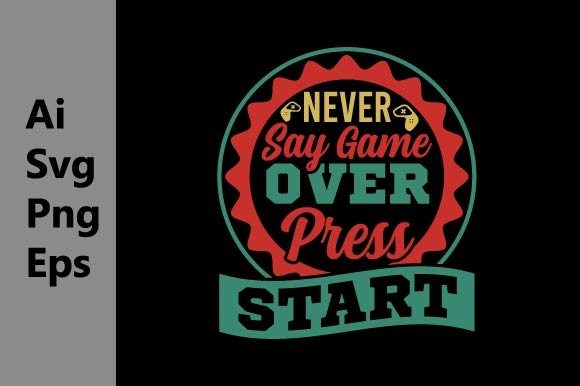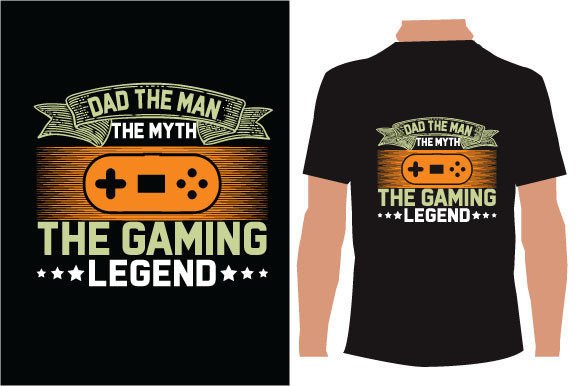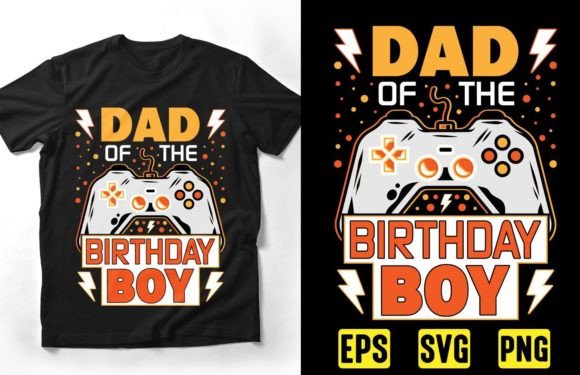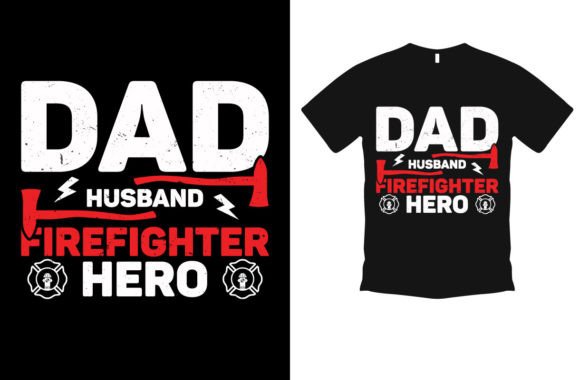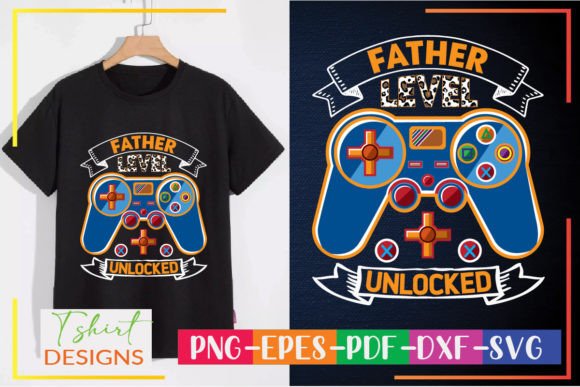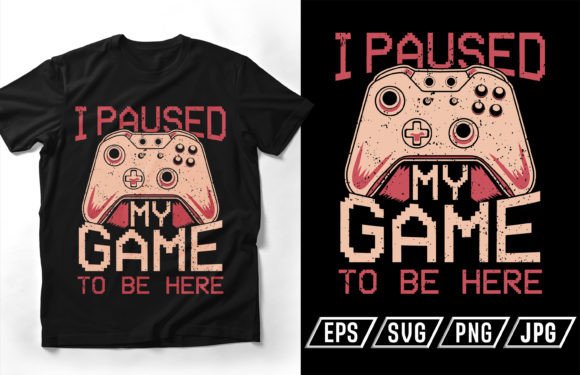
Stitching the Game: A Designer’s Review of Gaming Vector T-shirt Design
As an embroidery designer who has spent years translating digital art into thread, I approach every new machine embroidery design with a mix of excitement and skepticism. We have all been there: you download a file that looks crisp on screen, only to find it turns into a tangled mess of jumps and breaks once it hits the fabric. Today, I am putting the Gaming Vector T-shirt Design under the microscope. This is not just about whether it looks cool; it is about whether it holds up in the real world of hoop stress, fabric texture, and customer expectations.
First Impressions: Mood and Visual Personality
When I first opened the ZIP file containing the Gaming Vector T-shirt Design, my immediate takeaway was its clean, bold aesthetic. In the world of T-Shirt Designs and Graphics, clarity is king. Gamers appreciate sharp lines and high-contrast visuals, and this design delivers that energy without unnecessary clutter. The mood is energetic yet modern, fitting perfectly into the current trend of retro-futuristic gaming nostalgia.
From a layout perspective, the composition feels balanced. It does not rely on overly intricate micro-details that often fail in embroidery. Instead, it uses strong shapes and defined edges. This suggests that the designer understood the limitations of thread. For those of us creating custom apparel or embroidered patches, this kind of forethought saves hours of troubleshooting. The visual personality is distinct enough to stand out on a crowded Etsy shop page but versatile enough to fit various product types.
Real-World Application: Beyond the T-Shirt
While the title specifies a t-shirt design, my experience tells me that good vector-style graphics are incredibly versatile. I recently tested this concept on a heavy cotton canvas tote bag design project for a local boutique. The result was striking. The bold lines of the Gaming Vector T-shirt Design translated beautifully into dense fill stitch areas, giving the bag a premium, textured look that screen printing simply cannot replicate.
I also envision this working exceptionally well for sweatshirt embroidery. The thicker fabric of a hoodie provides a stable base for larger designs, allowing the colors to pop. Imagine this stitched onto the back of a varsity-style jacket or the chest of a cozy crewneck. It creates an instant connection with the wearer’s identity. For Etsy sellers and small shop product creators, this versatility is a major selling point. You are not just selling a shirt; you are selling a statement piece that can be adapted for holiday embroidery gifts or everyday wear.
The Baby and Nursery Angle
Interestingly, I see potential here for baby embroidery as well, provided you scale it down appropriately. A simplified version of this design could work on a onesie or a baby blanket, appealing to millennial parents who grew up with classic video games. However, this requires careful adjustment of stitch density to ensure the garment remains soft and comfortable against sensitive skin.
Technical Considerations for Embroiderers
Before you load this digital embroidery file into your machine, there are critical technical factors to consider. Because this is a vector-inspired graphic, it likely relies on a combination of satin stitch borders and solid fills. Here is what you need to watch out for:
- Fabric Texture: On textured fabrics like terry cloth or heavy denim, small details may get lost. Test on scrap fabric first to see how the thread interacts with the weave.
- Stabilizer Choice: For stretchy fabrics like jersey t-shirts, a cut-away stabilizer is non-negotiable. It prevents the design from puckering after washing. For woven fabrics like tote bags, a tear-away might suffice, but always err on the side of stability.
- Thread Colors: The design’s impact relies heavily on contrast. If you are stitching on dark fabric, ensure your thread colors are vibrant enough to stand out. I recommend testing the design in black and white mockups first to check for value contrast.
- Hoop Size: Confirm the required hoop size before starting. If the design is large, you may need a multi-hooping strategy, which requires precise alignment to avoid visible seams.
Where to Use Caution
Not every project is a perfect match. I would advise against using this specific design on curved surfaces like caps unless it has been specifically digitized for that purpose. The rigid structure of vector graphics can distort on rounded forms. Additionally, be cautious with tiny lettering if the design includes text. Small fonts often become illegible when converted to thread, especially if the running stitch connections are not optimized.
If you are planning to create an applique design variation, ensure the placement lines are clear. Applique can reduce stitch count and add texture, but it requires precise cutting and placement. For beginners, sticking to the standard fill and satin stitches is safer until you master the alignment.
Business Value and Customer Trust
For craft business owners, the quality of your design assets directly impacts your brand consistency. A clean, professional-looking finished product builds customer trust. When buyers see neat stitching and a well-executed design, they perceive higher value. This Gaming Vector T-shirt Design has the potential to elevate your handmade product lineup because it looks intentional and polished.
Using high-quality printable mockup images of this design on various items can significantly boost buyer engagement. Show potential customers how it looks on a pillow cover, a kitchen towel, or a personalized gift box. Visualizing the end result helps them make a purchase decision. Remember, in the world of commercial embroidery, presentation is half the battle.
Final Verdict and Practical Notes
The Gaming Vector T-shirt Design is a strong contender for any designer looking to expand their gaming-themed portfolio. It balances aesthetic appeal with practical stitchability. However, always verify the specific file formats and license terms included in the ZIP file. The description mentions high-quality products and premium resources, but it cuts off regarding specific usage rights. Before selling custom apparel or digital products featuring this design, confirm whether the license allows for commercial use.
My advice? Download it, test it on a scrap piece of fabric similar to your final product, and adjust your tension settings accordingly. If you treat it with the respect it deserves, this design can become a staple in your embroidery project library, helping you grow your business with confidence and style.