Stitching Dad’s Gaming Passion: A Designer’s Review
As an embroidery designer who has spent countless hours digitizing and testing files for client projects, I approach every new machine embroidery design with a critical eye. It is not just about whether the image looks good on a screen; it is about how that image translates into thread, tension, and texture on actual fabric. Recently, I evaluated the Father s Day, and Gaming T-shirt Design, a graphic that aims to bridge the gap between paternal pride and gaming culture. For those of us running a craft business or managing an Etsy seller storefront, understanding the practical application of such assets is crucial before we commit to production.
First Impressions and Visual Personality
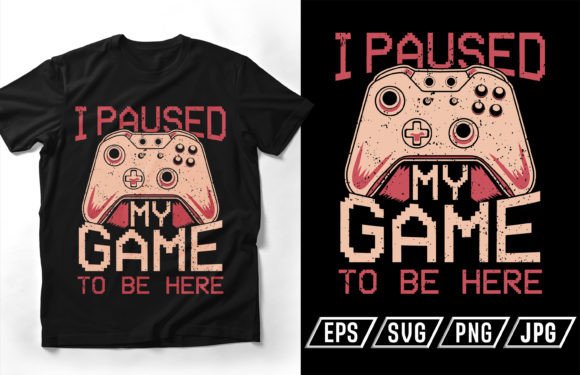
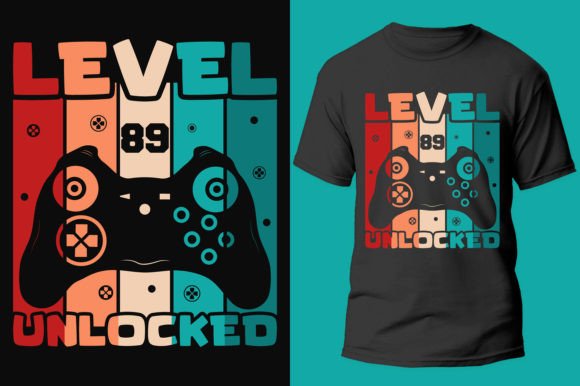
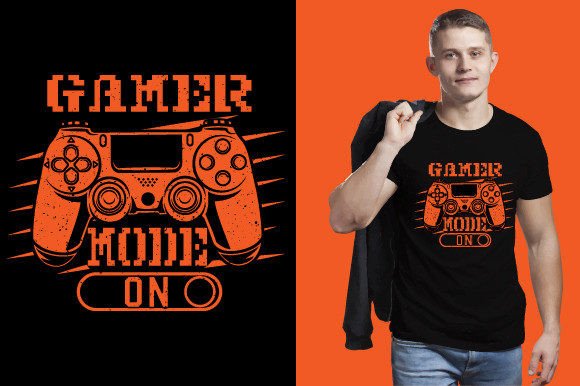
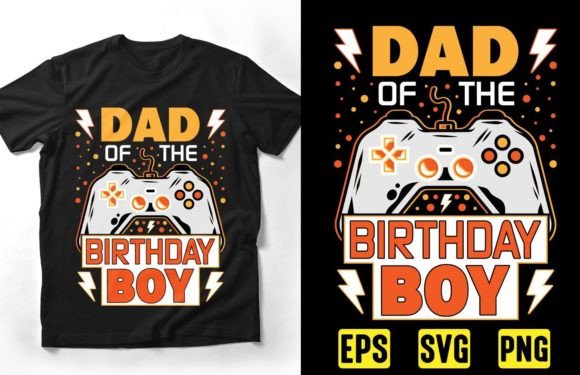
The initial mood of this design is playful yet respectful, capturing the dual identity of many modern fathers. The layout combines thematic elements of gaming—likely controllers, pixels, or console motifs—with text celebrating fatherhood. From a design perspective, the balance between iconography and lettering is key. If the details are too dense, they risk becoming a muddy mess after stitching. However, if the lines are clean and the spacing is generous, the result can be a sharp, professional-looking finished product.
This particular set of T-Shirt Designs and Graphics feels tailored for casual wear. It does not try to be overly ornate or formal. Instead, it leans into a relaxed, hobbyist aesthetic that resonates with customers looking for personalized gifts. The visual personality suggests a fun, approachable vibe, making it ideal for holiday embroidery projects or birthday surprises where the recipient values humor and personal connection over high-fashion minimalism.
Real-World Application: The Custom Sweatshirt Test
To truly judge the viability of this embroidery file, I imagined a real-life scenario: creating a custom gift for a client’s husband who is an avid gamer and a new dad. The chosen item was a mid-weight cotton blend sweatshirt. This fabric choice is forgiving and provides a stable base for stitching, which is essential for maintaining the integrity of the design.
When placing the Father s Day, and Gaming T-shirt Design on the chest area, the scale mattered. A design that is too small loses its impact, while one that is too large can distort the fabric or feel heavy. In this context, the design worked well as a central focal point. The contrast between the thread colors and the heather gray fabric allowed the details to pop. For an Etsy seller, this versatility is a selling point. It demonstrates that the asset can be adapted for various custom apparel items, from hoodies to crewnecks, without losing its charm.
Performance on Different Materials
While the sweatshirt test was successful, I also considered how this design would perform on other common substrates. For a tote bag design, the heavier canvas material would support denser stitching, allowing for bolder fill areas. However, on thinner materials like a standard t-shirt, one must be cautious. High stitch density can cause puckering, especially if the design includes large solid areas. Using a proper stabilizer is non-negotiable here. A cut-away stabilizer would provide the necessary support to keep the garment flat and the stitches even.
For baby embroidery projects, such as a onesie for a "Gamer Dad’s" little one, the design might need scaling down. Small hoop sizes require careful attention to detail. Tiny lettering can become illegible if the stitch count is too high for the resolution. In such cases, simplifying the design or using a running stitch outline instead of a full fill stitch can preserve clarity. This adaptability makes the design a valuable asset for makers who offer a range of handmade product options.
Technical Considerations for Embroiderers
Before loading any digital embroidery file into your machine, there are several practical steps to ensure quality. First, always test the design on scrap fabric similar to your final project material. This allows you to check thread tension and color contrast without risking your main garment. Pay close attention to the transition between different stitch types. A well-digitized design will use satin stitch for borders and text to create a smooth, shiny finish, while using fill stitches for larger graphical elements.
Inspect the small details. Are there tiny jumps or unnecessary trims that could slow down production? Does the design have clear start and stop points? These factors affect both the efficiency of your workflow and the durability of the embroidered patch or direct-to-garment stitch-out. For curved surfaces like caps, the design may need adjustment to account for the curvature. What looks flat on a screen can distort when stitched onto a rounded crown, so hooping technique and stabilizer choice become even more critical.
Commercial Use and Brand Consistency
For those using this as part of their design assets for commercial sales, consistency is key. The Father s Day, and Gaming T-shirt Design should align with your brand’s overall aesthetic. If your shop specializes in rustic, vintage styles, this modern gaming theme might feel out of place unless curated carefully. However, for shops focusing on pop culture, hobbies, or family-centric gifts, it fits seamlessly. It enhances buyer engagement by tapping into specific interests, making the personalized gift feel thoughtful and targeted.
Always confirm licensing terms before selling finished items. While many designers offer commercial licenses, it is essential to read the specific terms provided by the creator. Ensure that you are compliant with any restrictions on mass production or digital redistribution. This due diligence protects your small shop product line and builds trust with your customers.
Final Verdict for Makers
The Father s Day, and Gaming T-shirt Design offers a solid foundation for creative entrepreneurs looking to expand their holiday or niche offerings. It balances thematic relevance with technical feasibility, provided the maker pays attention to fabric choice and stabilization. Whether used for a printable mockup to preview listings or stitched directly onto a kitchen towel or apron, its versatility is a strength. By treating it as a flexible component in your embroidery project toolkit, you can create high-value items that resonate with customers. Remember, the best designs are those that survive the transition from pixel to thread with clarity and character intact.